






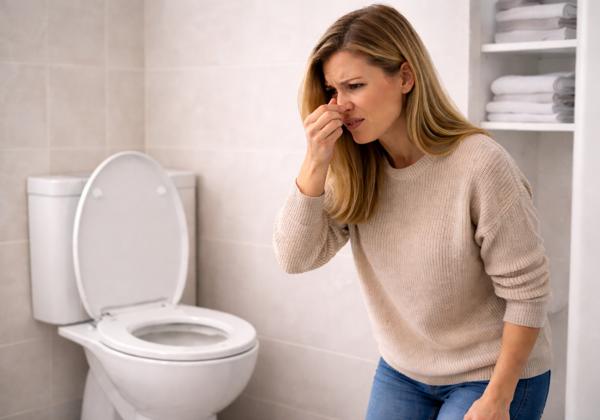
You notice a sewage smell as soon as you open the bathroom door and want a clear, practical answer. Most often it comes from plumbing issues such as a dry or broken trap, blocked drains, cracked seals, or venting problems. Each of these allows sewer gas to enter your bathroom. Fixes range from simple steps like pouring water into drains through to calling a licensed plumber to repair pipes, seals or vents.
Keep reading to learn how to identify the likely source, try easy fixes you can do yourself, understand whether it is dangerous, and recognise the signs that mean you should call a professional.
Why Does My Bathroom Smell Like Sewage?
You are likely smelling sewer gas entering through your bathroom drains or venting system. Common causes include dry P traps, blocked vents, cracked seals around fixtures, or slow draining pipes that trap organic matter and produce odour.
A dry P trap loses its water seal and allows gases from the sewer line to enter your bathroom. This often happens after long periods of non use or in rarely used fixtures such as floor drains or guest bathrooms.
Blocked or poorly installed vent pipes can force sewer gas back into the bathroom instead of releasing it above the roof. The smell is often worse at night when airflow is reduced and cooler air settles indoors.
Leaking seals and wax rings around toilets, or hair and grease build up in sink and shower drains, can create persistent odours. While a brief sewage smell is often just an annoyance, a smell that keeps returning usually indicates a plumbing issue that should be addressed promptly.
Quick checks you can do include pouring water into all drains to restore seals, inspecting around the toilet base for dampness or crumbling sealant, running the bathroom exhaust fan, and checking roof vents for visible blockages if it is safe to do so. If the smell persists, a licensed plumber can test vents, drains and pipework to rule out hidden leaks or sewer line faults.
Is Sewage Smell In My Bathroom Dangerous?
A sewage smell in your bathroom is more than just unpleasant. It can be a sign that sewer gas is entering your home. In small or occasional amounts, it is usually not immediately dangerous, but strong or ongoing odours should not be ignored.
Sewer gas is a mixture of gases produced by waste breaking down in sewer lines. It can include methane, hydrogen sulphide, ammonia and trace bacteria. At low levels, exposure commonly causes headaches, nausea, dizziness, throat irritation or fatigue.
Hydrogen sulphide causes the rotten egg smell many people notice. Prolonged exposure in poorly ventilated areas can aggravate respiratory conditions, especially in children, older adults, or people with asthma. Methane is also flammable, which is why persistent sewer gas inside a home is taken seriously by plumbing professionals.
Risk increases when the smell is present daily, lasts for long periods, affects multiple bathrooms or drains, or causes physical symptoms. Odours strongest near floors, walls or enclosed spaces can indicate a broken pipe or failed seal.
If the smell disappears after topping up a dry P trap or clearing a drain, the risk is usually low. If it returns quickly or does not improve, there is likely an underlying plumbing fault that needs professional repair. Recurring sewage smells should be treated as a plumbing issue rather than a cleaning problem.
Common Reasons For Sewage Smell
Sewage smells usually come down to a small number of plumbing or ventilation problems. The sections below explain the most common causes and how to fix them.
Blocked Drains
Blocked drains trap organic material that breaks down and produces unpleasant odours. Hair, soap scum, toilet paper or foreign objects can cause partial blockages in basins and showers. Toilets may smell if waste is sitting further down the pipe.
How To Fix Blocked Drains
Use a plunger to clear minor blockages. Remove drain covers and use a plastic drain brush or snake to pull out hair and debris. If accessible, remove and clean the trap thoroughly.
Enzyme based drain cleaners can help break down organic matter without damaging pipes. Avoid harsh chemical cleaners as they can weaken joints and seals.
If smells continue or multiple fixtures are affected, the blockage may be in the main sewer line. A licensed plumber can inspect the line with a camera and clear it using jet blasting or rodding.
Dry P Traps
A P trap holds water to create a seal that prevents sewer gas entering your bathroom. When a fixture is unused for an extended period, the water can evaporate and break this seal.
Floor drains, guest bathrooms and spare showers are common problem areas.
How To Fix Dry P Traps
Pour several litres of water slowly into the affected dr
ain to refill the trap completely. Run taps or showers briefly in rarely used bathrooms to keep the seal intact.
For ongoing evaporation, adding a small amount of vegetable oil can slow water loss. In homes with floor drains, a plumber can install a trap primer that automatically refills the trap.
If the smell persists after refilling, the trap may be cracked or misaligned and should be replaced.

Broken Seals Or Pipes
Worn toilet seals, cracked waste pipes or loose fittings can allow sewer gas to escape into the bathroom. Warning signs include odour near the toilet base, damp flooring, or visible cracks in pipework.
A failed wax ring under the toilet is a common cause.
How To Fix Broken Seals Or Pipes
Check whether the toilet rocks or shows moisture around the base. Tighten flange bolts if loose and replace the wax ring if there are signs of leakage.
Inspect exposed pipes for cracks or loose joints. Temporary sealants may reduce smell but do not fix structural damage.
If pipes are cracked, hidden behind walls, or leaking at joints, shut off water and call a licensed plumber. Proper repair prevents further damage and stops sewer gas leaks.
Ventilation Issues
Plumbing vents allow sewer gases to escape safely above the roof. If vents are blocked by leaves, debris or nests, gases can be forced back into the bathroom. Poor bathroom ventilation allows moisture and odours to linger.
How To Fix Ventilation Issues
Run the bathroom exhaust fan during showers and for at least twenty minutes afterwards. Ensure the fan vents outside and is working effectively.
If it is safe to access, check roof vent outlets for visible blockages and clear debris. Avoid roof access if conditions are unsafe.
If smells persist, a plumber or roofer can inspect vent pipes for damage or airflow problems. Upgrading to a higher capacity or humidity sensing exhaust fan can help prevent future sewer smells.

When To Hire A Professional
If the smell remains after basic fixes such as topping up drains, cleaning traps and checking toilet seals, it is time to call a professional. Persistent sewage odours often point to hidden problems such as blocked sewer lines, damaged pipes or faulty venting.
Call a plumber urgently if you notice gurgling sounds, slow drainage in multiple fixtures, or sewage backing up into drains. These signs can indicate a main sewer blockage or failing sewer line that can cause health risks and property damage.
Licensed plumbers use specialised tools such as CCTV inspections, pressure testing and hydro jetting to diagnose issues accurately. They can advise whether repair or replacement is required.
If you smell sewer gas inside walls, near floor junctions or after heavy rain, seek professional help promptly. Always request a clear explanation, an estimate and a warranty on repair work to ensure the issue is fully resolved.