






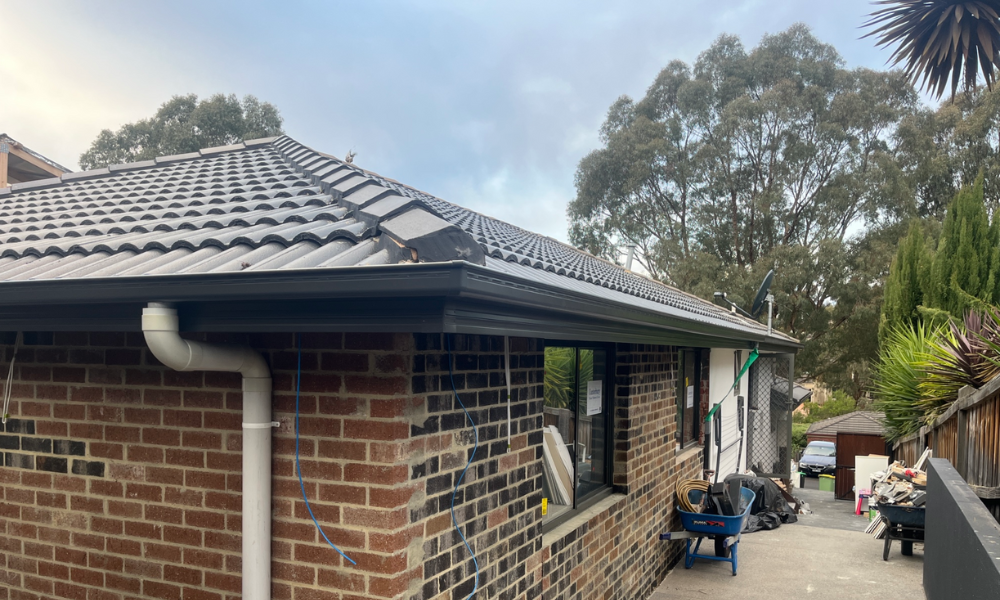
Getting Storm Ready: Gutters and Downpipes
As summer approaches in Australia, the season often brings not only warmer weather but also the threat of heavy rain and sudden storms. This makes it essential for homeowners to ensure that their gutters and downpipes are ready to handle intense rainfall.
Without proper maintenance, these systems can become clogged or damaged, increasing the risk of costly water damage to your home. Taking steps to prepare your gutters and downpipes for the season not only protects your property but also provides peace of mind, knowing that your home is ready to withstand whatever the storm season may bring.
Why Gutters and Downpipes Matter
Gutters and downpipes serve a critical role in managing stormwater by channeling it safely away from your roof and foundation. When functioning correctly, they help prevent water from seeping into walls, roofs, and basements, reducing the chance of mold growth, structural issues, and interior damage.
When these systems are neglected, blockages from leaves, dirt, and debris can cause water to overflow. This overflow may lead to water pooling around the foundation, which can cause structural shifts and erosion, potentially leading to costly repairs. Without regular maintenance, gutters and downpipes can go from a helpful defense to a hidden hazard for your home.
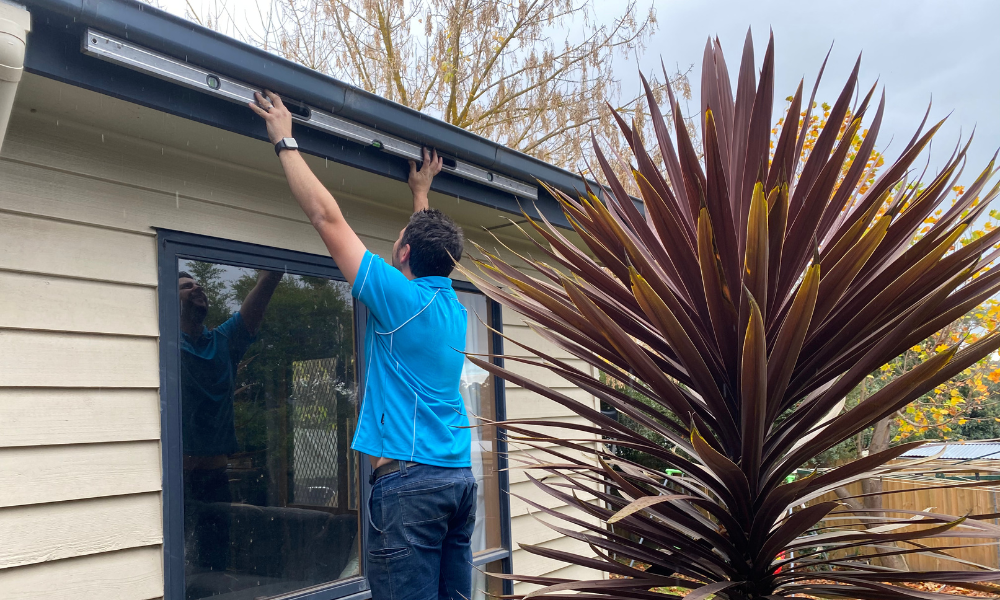
Why You Need to Clean and Maintain Your Gutters and Downpipes
Neglecting gutter maintenance can lead to a surprising array of issues. Here are some of the main problems you may face if gutters and downpipes aren’t regularly cleaned and maintained:
Foundational / Structural Damag
Blocked gutters can cause water to overflow, saturating the soil around the home’s foundation. This excess moisture can lead to soil erosion and foundational shifts, which, over time, cause cracks and other structural issues in your home. Foundation repairs are both disruptive and costly, making prevention well worth the effort.
Roof and Interior Water Damage
When water pools on the roof due to clogged gutters, it can lead to leaks, increased wear, and potential damage to the roof structure itself. Once water enters the roof space, it can damage insulation, ceilings, and walls, resulting in mold growth and compromised indoor air quality.
Increased Risk of Pest Infestation
Standing water in gutters provides a breeding ground for pests like mosquitoes, termites, spiders, and even rats. These pests not only cause irritation but can also lead to further structural damage if they find their way inside the home. Keeping gutters clean minimizes this risk, ensuring pests are kept at bay.
Mold Growth
Water overflowing from clogged gutters can soak into walls and insulation, creating the perfect conditions for mold and mildew to thrive. Mold growth can lead to health issues for residents and can require extensive remediation if left unchecked.
Sagging / Detached Gutters
The weight of water, leaves, and other debris can cause gutters to sag or detach from the house, especially during heavy storms. When gutters become detached, they can damage the roofline and siding, adding to repair costs.
Wall and Surface Staining
Water flowing over the edge of clogged gutters often cascades down the exterior walls, leaving unsightly stains. Over time, this can cause the siding to warp or deteriorate, impacting the home’s appearance and potentially leading to more costly exterior repairs.
Practical Steps for Preparing Gutters and Downpipes
Proper gutter and downpipe maintenance doesn’t have to be overwhelming. Here are some steps that can help keep your gutters in optimal condition for the storm season:
1. Clear Out Debris and Blockages
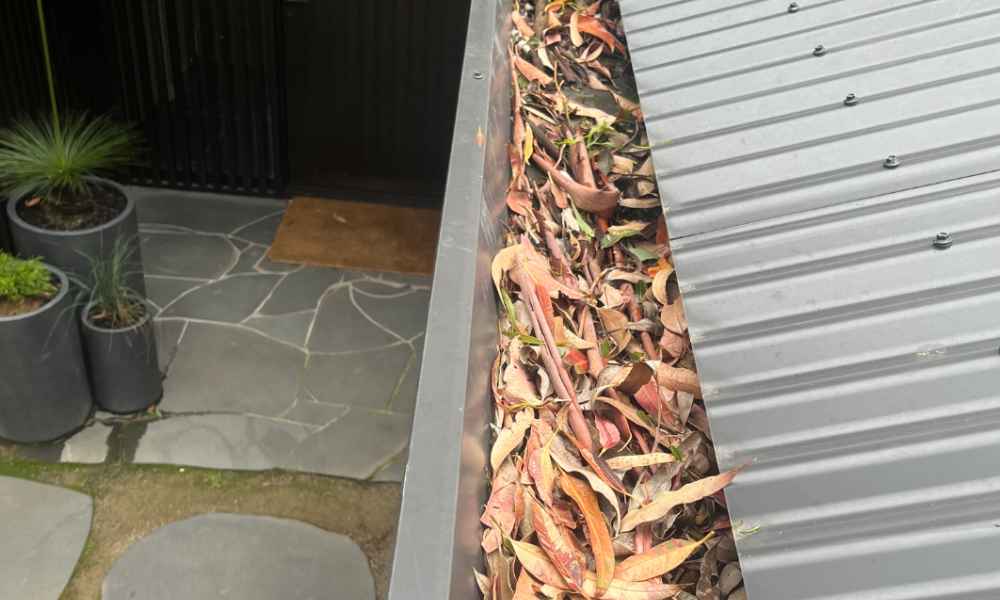
Leaves, twigs, and dirt can quickly clog gutters, preventing water from flowing freely. Use a sturdy ladder and gloves to remove debris, or consider a gutter scoop for hard-to-reach areas. If you’re uncomfortable with heights or prefer a professional touch, hiring an expert can ensure a thorough and safe cleaning.
2. Check for Rust, Holes, and Leaks
Look for signs of rust, cracks, or holes in both gutters and downpipes. These weak spots can let water seep through, leading to leaks and erosion. Small leaks can be sealed with waterproof sealant, but larger sections may need replacement to ensure long-term functionality.
3. Inspect Downpipes for Proper Flow
Make sure downpipes are securely attached and free of any blockages. They should direct water away from the foundation. Pour a small amount of water into the gutter to check for proper flow through the downpipes. Any pooling or sluggish flow can indicate a blockage that needs to be cleared.
4. Install Gutter Guards
Gutter guards can help reduce the buildup of debris and minimize maintenance needs. Available in various styles, these guards prevent large items from entering the gutters while allowing water to flow freely. Choosing the right type of guard depends on factors like tree coverage around your home and your budget.
5. Schedule a Professional Inspection
For peace of mind, consider scheduling a professional inspection before the peak of the storm season. Professionals can spot signs of wear or damage that might be missed by the untrained eye. Endpoint Plumbing offers comprehensive inspection services to help ensure your home is storm-ready.
Conclusion
Preparing your gutters and downpipes for the storm season is a simple but effective way to protect your home from the unpredictable effects of summer storms. By taking these steps, you’re not only preserving the value of your home but also ensuring the safety and comfort of your household.
If you’d like help getting storm-ready, Endpoint Plumbing is here to assist with inspections, cleaning, and maintenance. Contact us today to schedule a professional gutter and downpipe inspection and enjoy the peace of mind that comes from being prepared.